






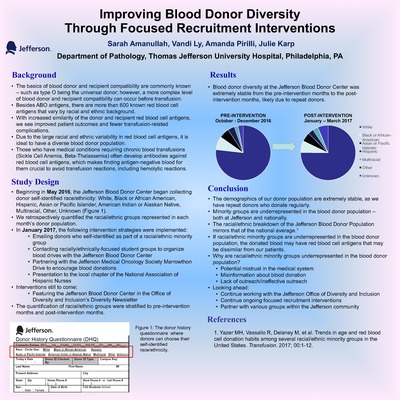
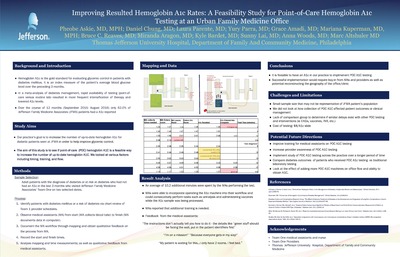
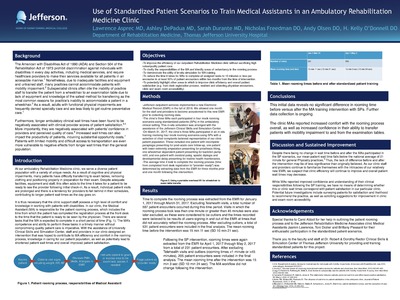
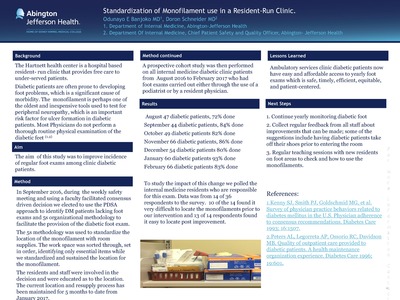



-
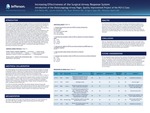
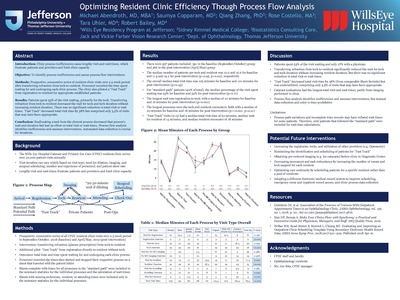
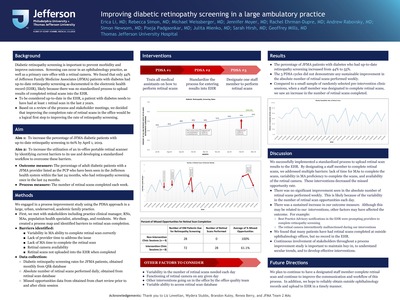
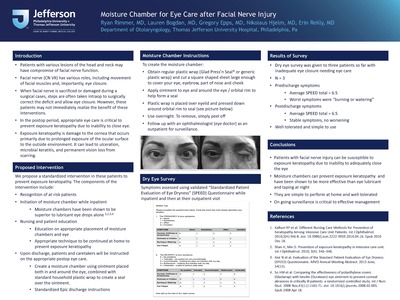
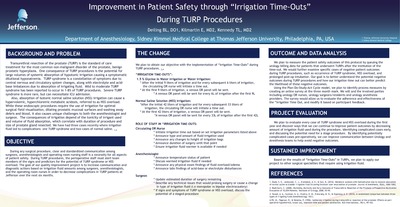
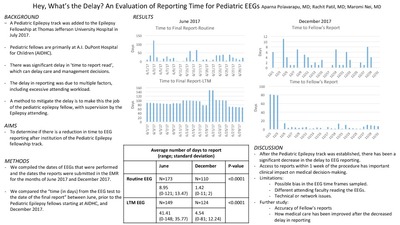
Increasing Effectiveness of the Surgical Airway Response System: Introduction of the Otolaryngology Airway Pager, Quality Improvement Project of the PGY-2 Class
Erin Reilly, MD; Lauren Galinat, MD; Ryan Rimmer, MD; Gregory Epps, MD; and Nikolaus Hjelm, MD
Introduction:
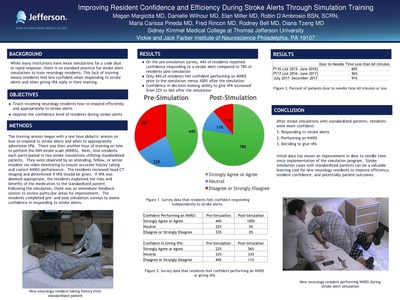
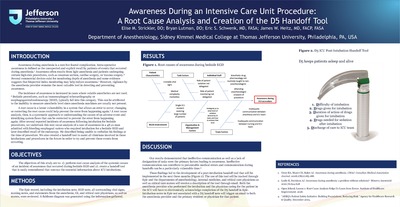
The need for an Otolaryngology airway pager is based on several external and internal factors. The current communication pathway for emergent airways at our institution is well established but often misinterpreted. The protocol is outlined in Figure 1. The priority to reach out to other departments is based on their availability of an attending in house overnight. Furthermore, there is often a delay in contacting the Otolaryngology department. Our service has multiple pagers to accommodate for each of our inpatient teams, which can be confusing for other services. One of the driving events for this project was an incident at JHN where a tracheostomy tube became dislodged. There were several attempts to contact our team through the wrong pager and by the time we were notified the patient had expired. In addition our personal cell phones are commonly used as the primary means of contact for urgent situations. On several occasions the wrong person has been called in the middle of the night or the on-call resident is contacted while they are in the operating room during the day, resulting in a slower response time. From the perspective of the Otolaryngology Department at times we receive multiple pages and answer in the order that the pages were received, not in order of acuity as this is unknown. A dedicated airway pager will help us prioritize our decisions most safely.
-
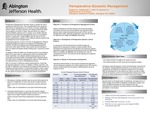
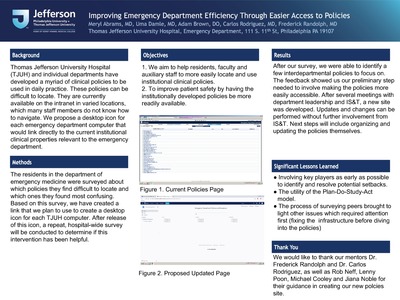
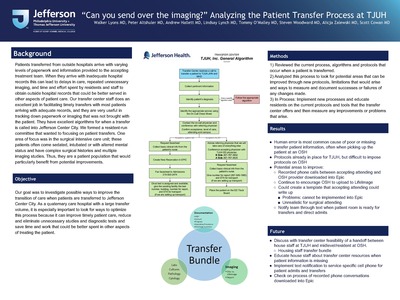
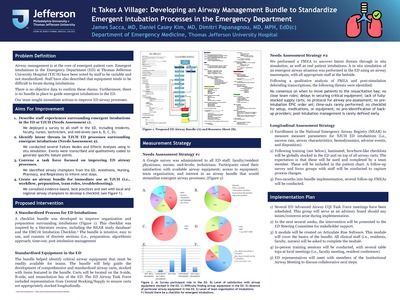
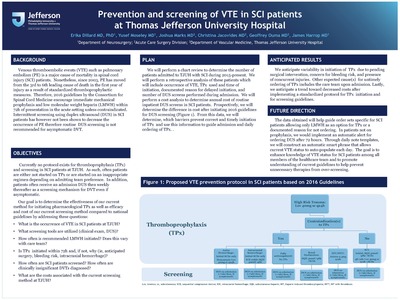
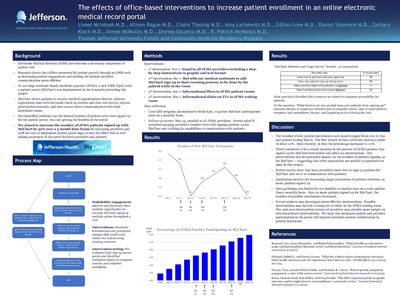
Perioperative Glycemic Management
A. Rogers, T. Olszewski, N. Sich, and K. Noonan
Proposals and Goals:
1. We propose creating a standard easy to use and safe protocol for glycemic management for same day/elective surgical patients.
2. Following implementation in same day and elective surgical procedures, we propose expanding the protocol to be effective in urgent and emergent inpatient surgical procedures.
-
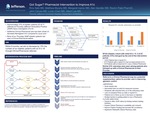
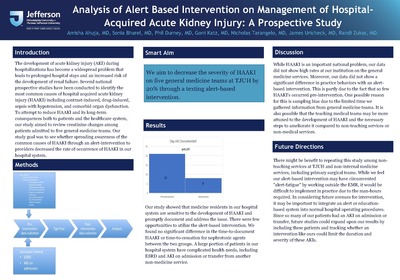
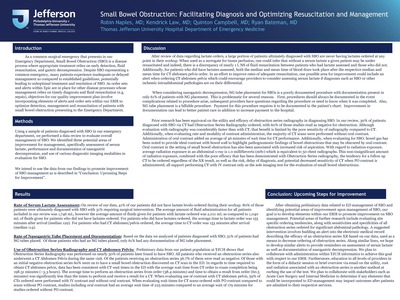
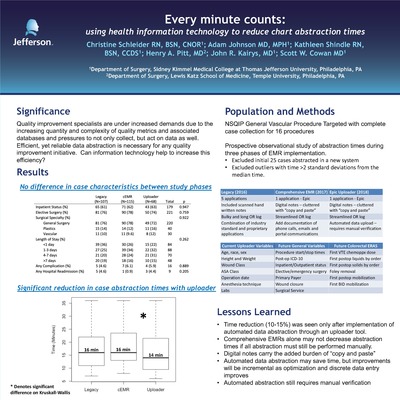
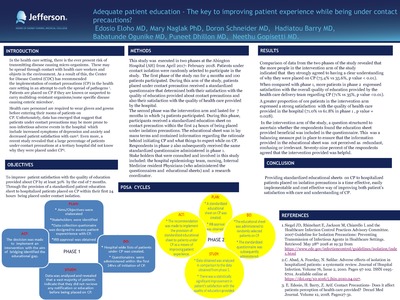
Got Sugar? Pharmacist Intervention to Improve A1c
Rino Sato, MD; Matthew Murphy, MD; Margaret Ivanov, MD; Alan Gandler, MD; Roshni S. Patel, PharmD, BCPS; John Caruso, MD; Loren Chen, MD; and Albert Lee, MD
AIM:
Within 6 months, we aim to decrease by 10% the number of our diabetic patients with an A1c >8 through Clinical Pharmacist referrals.
-
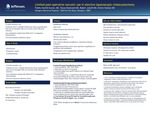
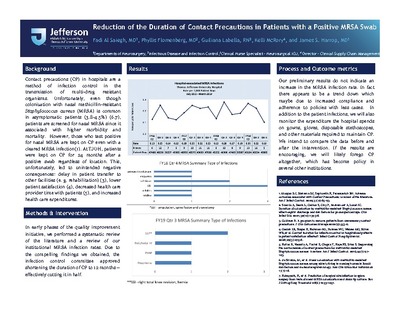
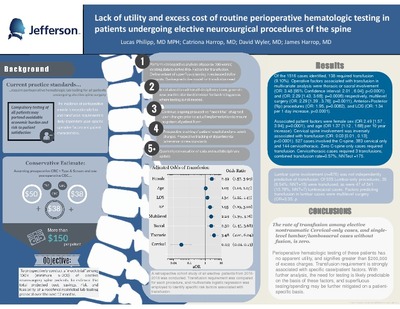
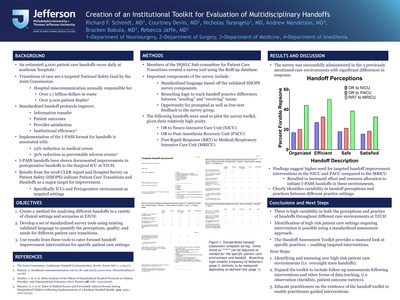
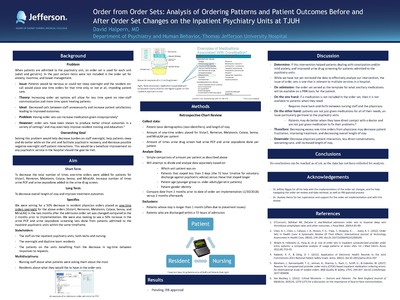
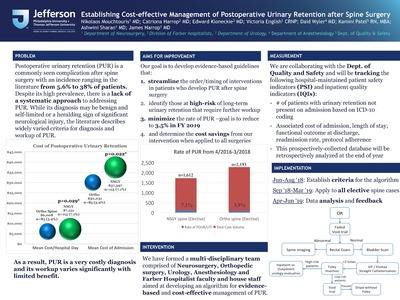
Limited post-operative narcotic use in elective laparoscopic cholecystectomy
Prabhu Senthil-Kumar, MD; Tanya Olszewski, MD; Robert Josloff, MD; and Kristin Noonan, MD
Purpose:
To limit narcotics use
Cochrane review: multiple studies have shown postoperative pain can be managed with non-narcotic meds with good outcome
Less medication related side effects:N/V, constipation, disorientation
Prevents substance addiction/abuse
-
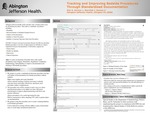
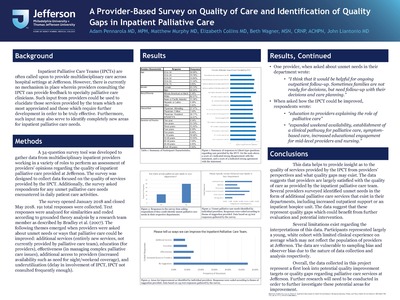
Tracking and Improving Bedside Procedures Through Standardized Documentation
N. Sich, L. Gartner, J. Sternlieb, and K. Noonan
Proposal and Goals:
We propose to create a standardized electronic procedure note that will replace all documentation for bedside procedures without sedation.
◦Makes notes legible and easily identified
◦Allows uniform tracking of metrics necessary to identify outcomes from a procedure (blood loss, specimens, post-procedure studies, complications)
2.The procedure note will be created in such a way as to allow specialized procedures to be added over time with minor customization to improve physician/nursing work flows and increase efficiency
◦Allows procedures to be sorted and tracked by type
◦Will be constructed to allow attaching CPT codes to patient charts via documentation
3. We propose using this procedure note to create a running database of all bedside procedures
◦Can be utilized by existing software (Qlik) to query all procedure notes to create large anonymized patient lists
-
Filling the Void: A Low Cost, High-Yield Method to Addressing Incidental Findings in Trauma Patients
N. Sich, A. Rogers, D. Bertozzi, P. Sabapathi, L. Gartner, W. Alswealmeen, P. Lim, J. Sternlieb, J. Yuschak, O. Kirton, and R. Shadis
In this study we:
Report the incidence of incidental findings in a suburban trauma center treating primarily blunt and elderly trauma
Propose simple solutions to increase the rate of disclosure to patients
-
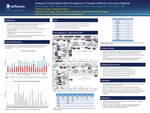
Analysis of Clostridium difficile patterns at Thomas Jefferson University Hospital
Andrew Tseng; Kulvir Nandra, MD; Kelly Zabriskie; Phyllis Flomenberg, MD; and Scott W. Cowan, MD
AIMS:
To analyze CDI patterns to TJUH, particularly in Opportunity Units
To visually examine the relationship between CDI cases within units
Provide data analysis to the CDI working group
-
Should we Set a Formalized Discharge Instruction Education Standard?
Jinyu Zhang, MD; Maria Vershvovsky, MD; Noha Ghusson, MD; Jeffrey Riggio, MD; and Lily Ackermann, MD
Smart AIM:
With a more formalized discharge instruction evaluation process for PGY-1s, discharge instructions for specific diagnoses will have less error in a year’s time.
-
Appropriate Utilization of Diabetic Diets for Inpatients
Neha Agarwal, MD and Tasha Kouvatsos, MD
AIM:
To increase the number of diabetic patients that are ordered a diabetic diet at time of admission
So that blood sugars may be better controlled throughout admission with decreased usage of CDI
-
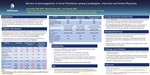
Barriers to Anticoagulation in Atrial Fibrillation among Cardiologists, Internists and Family Physicians
Jad Al Danaf, MD, MPH; Mitul Kanzaria, MD; and John U. Doherty, MD
Current Performance:
The rates of AC in patients 18 years or older who visited general internists & family physicians not seen by cardiologists from 4/30/2013 to 4/30/2015, cardiologists from 11/29/2012 to 11/29/2014 and all 3 specialties from 1/30/2014 to 1/30/2016 were derived from the EHR.
A 12-question survey was shared using RedCap with these physicians to examine potential reasons for not prescribing AC.
-
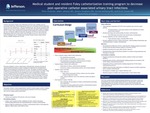
Medical Student and Resident Foley Catheterization training program to decrease Post-Operative Catheter Associated Urinary Tract Infections
Peter J. Altshuler; Adam P. Johnson, MD, MPH; Danica Giugliano, MD; Gerald A. Isenberg, MD; and Scott W. Cowan, MD
Objective:
Determine whether a more comprehensive medical student urinary catherer training curriculum can be successful in decreasing post-operative CAUTI rates in general and vascular surgery patient populations.
Primary target:
Reduce post-operative UTI rates by 0.5% over 6 months
Secondary targets:
Achieve 100% medical student confidence in Foley catheter placement, understanding indications and contraindications to urinary catheterization.
Improve objective performance of urinary catheterization skills as determined by objective clinical skills exam (OSCE) scores.
-
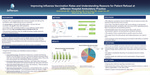
Improving Influenza Vaccination Rates and Understanding Reasons for Patient Refusal at Jefferson Hospital Ambulatory Practice
Daniel Brandt, MD; Ashley Butland, MD; Kevin Kwak, MD; Joseph Yoo, MD; Albert Lee, MD; and Susan West, MD
AIM:
Improve influenza vaccination rates for eligible patients at the Jefferson Hospital Ambulatory Practice to levels above the national average of 43.6% between October 2015 and March 2016 with universal screening and improved documentation.
To characterize reasons for patients who did not receive vaccination.
-
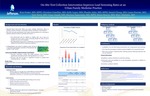
On-Site Test Collection Intervention Improves Lead Screening Rates at an Urban Family Medicine Practice
Krys Foster, MD, MPH; Tina Castellan, MD; Kelly Lopez, MD, PGY-III; Phoebe Askie, MD, MPH; Daniel Chung, MD; Laura Parente, MD; Yury Parra, MD PGY2; Grace Amadi, MD; Mariana R. Kuperman, MD, MPH; Bruce Reaves, MD; and Marc Altshuler, MD
Study Aims:
Examine the effect of on-site lead screening collection on resulted lead screening rates.
-
Improving Influenza Vaccination Rates in the HIV Population at an Academic Clinic
Anusha G. Govinda, MD; Anita Modi, MD; Emma Biegacki; and Bryan Hess, MD
AIM:
Performance measure: Percentage of HIV-infected patients with documentation of influenza vaccination in Allscripts.
Numerator: Number of HIV-infected patients who have obtained an influenza vaccine during influenza season.
Denominator: Total number of HIV-infected patients at the Jefferson Infectious Disease (ID) Clinic
Patient exclusions: Those who are allergic to eggs or have had allergic reactions to the influenza vaccine in the past
Goal: "75% of HIV-infected patients at the Jefferson ID clinic will be vaccinated against influenza and documented in Allscripts during influenza season"
-
Medication Errors and Hospital Admissions, a Tale of Woe
Allison Greco, MD; René Daniel, MD; Raymond Janowski, MD; and Bracken Babula, MD
Goal for Improvement:
To improve proper medication regimens for patients as they transition between healthcare settings
So that patients achieve improved outcomes and reduced hospital admissions caused by medication errors
SMART aim is to decrease teh number of discrepancies between discharge medication lists and pill bottles or blister packs produced at one-week follow up with Jefferson PCP by 10% within six months.
-
Analyzing Patient Satisfaction and Improved Physician-Patient Communication Using Introductory Brochures
Raza A. Hasan, MD and Lily Ackermann, MD
AIM:
Assess how the use of introductory brochures added to patient satisfaction at time of discharge. Also, assess whether the brochure helped foster improved physician-patient communication.
-
Using a SWIFT Score Guided Time Out to Reduce Medical ICU Readmission Rates
Justin Herman, MD; Andrew Dargan, MD; John Madara, MD; Michael Baram, MD; and Bharat K. Awsare, M.D., FCCP
AIM:
For patients admitted to the medical ICU over an additional period of 17 months, our goal is to reduce the rate of ICU readmissions within 72 hours of transfer out of the ICU to less than 2%. This will as a result reduce the costs of care, length of stay, and in-hospital mortality rates for these patients.
-
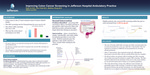
Improving Colon Cancer Screening in Jefferson Hospital Ambulatory Practice
Rady Ho, MD; Ravi Patel, MD; Matthew Zheng, MD; and Albert Lee, MD
AIM:
We want to improve our colorectal screening rates for Tuesday JHAP patients to 40% by March 2016.
We will assess monthly rates of the % of patients who received CRC screening over the past 10 years.
This will improve overall health maintenance, and find/prevent pre-cancerous lesions. This potentially improves the life expectancy of our population.
-
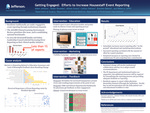
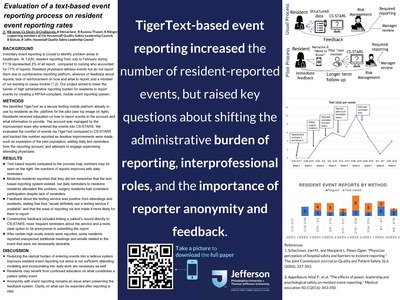
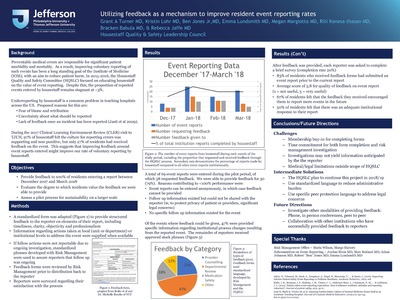
Getting Engaged: Efforts to Increase Housestaff Event Reporting
Adam P. Johnson, MD, MPH; Ruben Rhoades, MD; Allison Greco, MD; Caitlyn Sidrane, MPH; Bracken Babula, MD; and Rebecca C. Jaffe, MD
Background:
Residents traditionally are under-engaged in event reporting through institutional channels.
The ACGME Clinical Learning Environment Review prioritizes this issue, and is establishing national benchmarks.
In 2015 the Housestaff Quality and Safety Leadership Council selected Increasing Error Reporting as their clinical quality initiative.
-
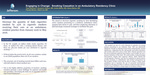
Engaging in Change: Smoking Cessation in an Ambulatory Residency Clinic
Benjamin Khazan, MD; Ankita Mehta, MD; Neena Mohan, MD; and Albert Lee, MD
AIM:
Decrease the quantity of daily cigarettes smoked by 25% in cigarette smokers receiving their care at an ambulatory resident practice from January 2016 to May 2016.
-
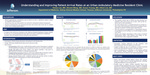
Understanding and Improving Patient Arrival Rates at an Urban Ambulatory Medicine Resident Clinic
Teresa Lee, MD; Shuwei Wang, MD; Susan Truong, MD; and Albert Lee, MD
AIMS:
To improve the arrival rate of patients at the Jefferson Hospital Ambulatory Practice (JHAP) by 10% over a 10-month period from July-April 2016 using a combination of additional reminder calls and targeted summaries from physicians.
-
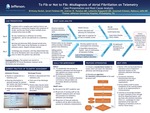
To Fib or not to Fib: Misdiagnosis of Atrial Fibrillation on Telemetry: Case Presentation and Root Cause Analysis
Andrew W. Panakos, MD; Loheetha Ragupathi, MD; Sarah Feldman, RN; Brittany Heckel; Susannah Eckman; and Rebecca C. Jaffe, MD
Case presentation, current practices of telemetry management, root cause analysis, goals for improvement, proposed intervention and next steps.
-
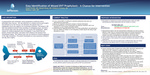
Easy Identification of Missed DVT Prophylaxis-A Chance for Intervention
Kinjal Parikh, MD; Shuwei Wang, MD; Kimberly Conway, RN; and Rebecca C. Jaffe, MD
Goal:
"To minimize the number of missed or refused medications for inpatients so that adverse patient events such as PE or DVT are prevented"
SMART AIM: Within 3 months of initiating an EMR based electronic identification system for refused and missed medications, we will decrease the rate at which DVT prophylaxis was ordered however not eventually administered by 50%.
-
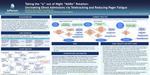
Taking the "e" out of Night "MARe" Rotation: Uncloaking Ghost Admissions via Teletracking and Reducing Paper Fatigue
Ramya Punati, MD; Jaehee Kim, MD; Rebecca C. Jaffe, MD; Lakshimi Ravindran, MD; and Bracken Babula, MD
Goal:
To improve communication at admission for patients admitted from non-ED locations so that patient care delays are minimized and provider frustration decreases.
-
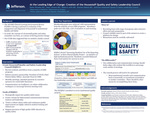
At the Leading Edge of Change: Creation of the Housestaff Quality and Safety Leadership Council
Ruben Rhoades, MD; Adam P. Johnson, MD, MPH; Rebecca C. Jaffe, MD; and Bracken Babula, MD
Background:
The ACGME Clinical Learning Environment Review (CLER) is driving a national re-evaluation of the engagement and alignment of housestaff in institutional Quality and Safety.
In 2008, the concept of a housestaff quality and safety committee was born, as a means of driving practice change
Our CLER data suggested that we need a similar council
Printing is not supported at the primary Gallery Thumbnail page. Please first navigate to a specific Image before printing.