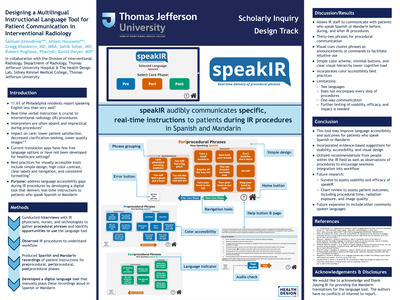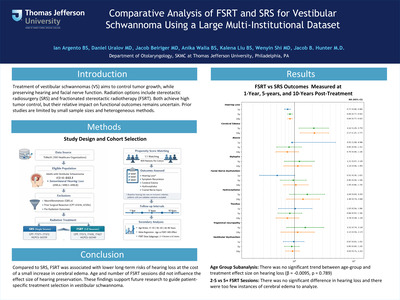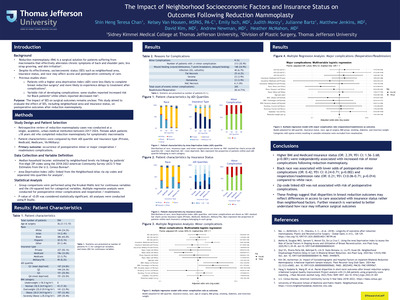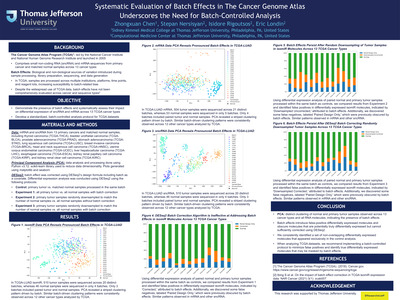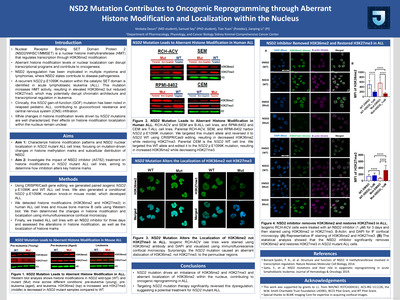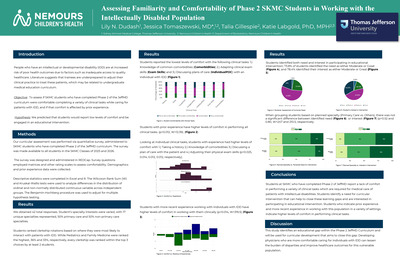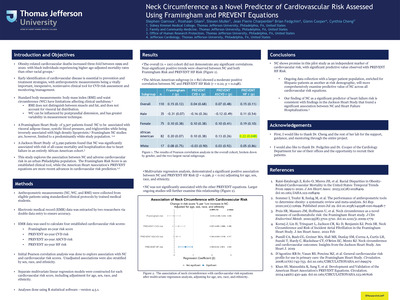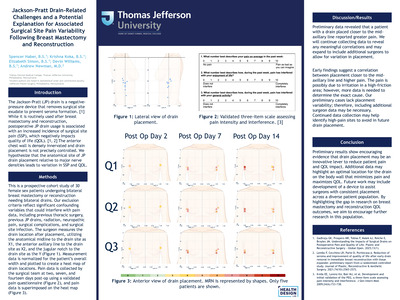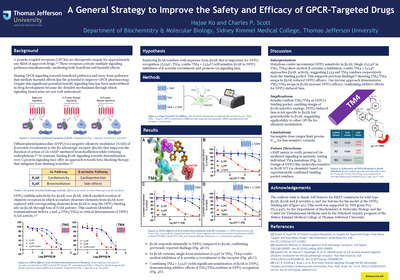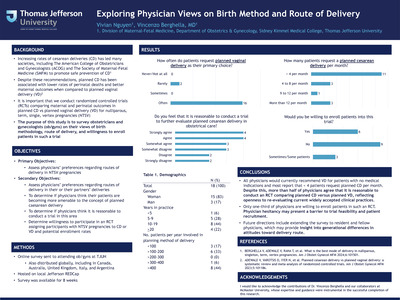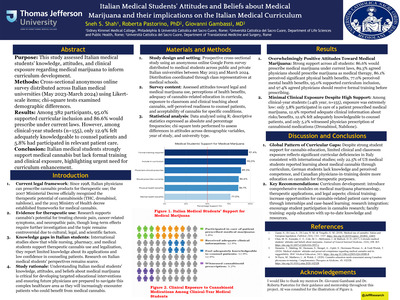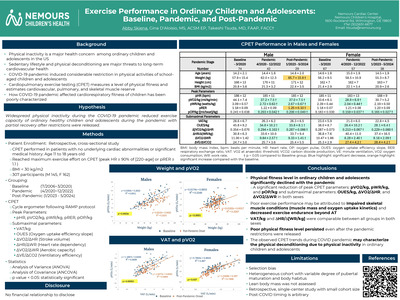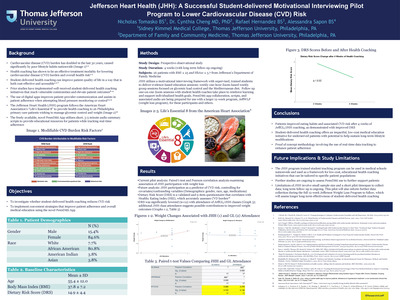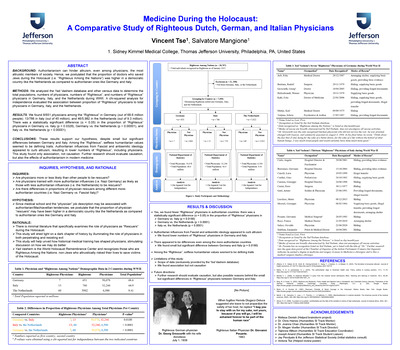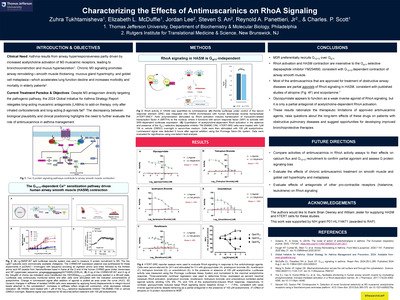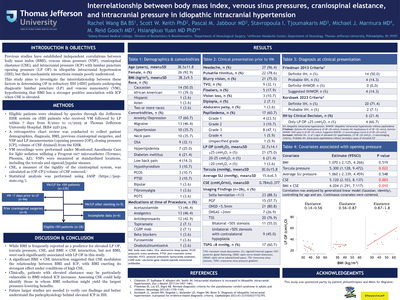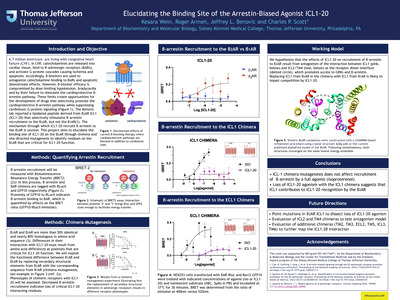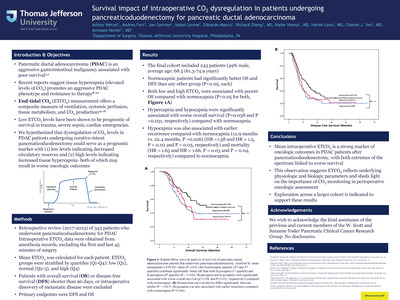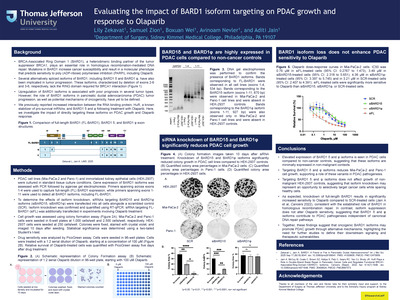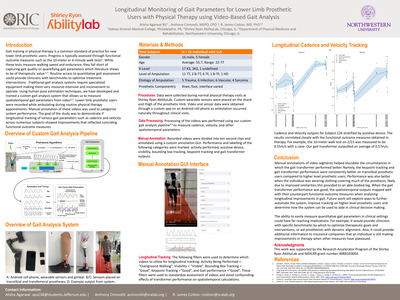


There is an annual poster session hosted by the AOA to highlight research endeavors of SKMC students. This day offers an opportunity for students to network with faculty and features a physician keynote speaker. The event also awards student investigators who have displayed significant research findings.
-
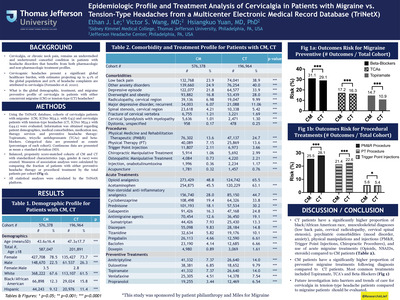
Epidemiologic Profile and Treatment Analysis of Cervicalgia in Patients with Migraine vs. Tension-Type Headaches from a Multicenter Electronic Medical Record Database (TriNetX)
Ethan J. Le; Victor S. Wang, MD; and Hsiangkuo Yuan, MD, PhD
BACKGROUND
• Cervicalgia, or chronic neck pain, remains an understudied and undertreated comorbid condition in patients with headache disorders that benefits from both pharmacologic and non-pharmacologic treatment profiles.
• Cervicogenic headaches present a significant global healthcare burden, with estimates projecting up to 4.1% of the global population and 20% of headache complaints are attributed to cervicalgia (Fernandez et al. 2020).
• What is the global demographic, treatment, and migraine preventive profile of cervicalgia in patients with either concurrent migraine (CM) or tension-type (CT) headaches?
-
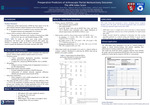
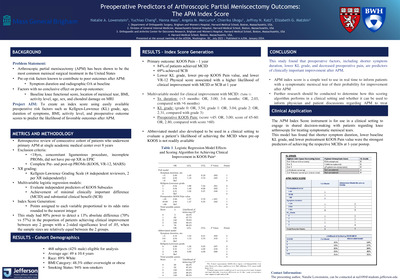
Preoperative Predictors of Arthroscopic Partial Meniscectomy Outcomes: The APM Index Score
Natalie Lowenstein, Yuchiao Chang, Hanna Mass, Angela M. Mercurio, Chierika Ukogu, Jeffrey N. Katz, and Elizabeth G. Matzkin
Problem Statement:
- Arthroscopic partial meniscectomy (APM) has been shown to be the most common meniscal surgical treatment in the United States
- Pre-op risk factors known to contribute to poor outcomes after APM:
- Symptom duration and radiographic OA at baseline
- Baseline knee functional score, location of meniscal tear, BMI, activity level, age, sex, and chondral damage on MRI
Project AIM:
To create an index score using easily available preoperative risk factors such as Kellgren-Lawrence (KL) grade, age, duration of symptoms, BMI, activity level, and preoperative outcome scores to predict the likelihood of favorable outcomes after APM.
-
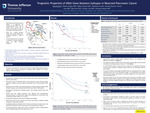
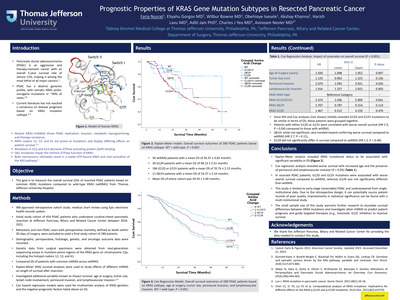
Prognostic Properties of KRAS Gene Mutation Subtypes in Resected Pancreatic Cancer
Faria Nusrat; Eliyahu Gorgov, MD; Wilbur Bowne, MD; Obehioye Isesele; Akshay Khanna; Harish Lavu, MD; Aditi Jain, PhD; Charles J. Yeo, MD; and Avinoam Nevler, MD
Introduction
- Pancreatic ductal adenocarcinoma (PDAC) is an aggressive and therapy-resistant cancer with an overall 5-year survival rate of almost 12%, making it among the most lethal of all major cancers.1
- PDAC has a distinct genomic profile, with somatic KRAS protooncogene mutations in ~90% of cases.2,3
- Current literature has not reached a consensus on disease prognosis based on KRAS mutation subtype.2-5
-
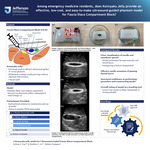
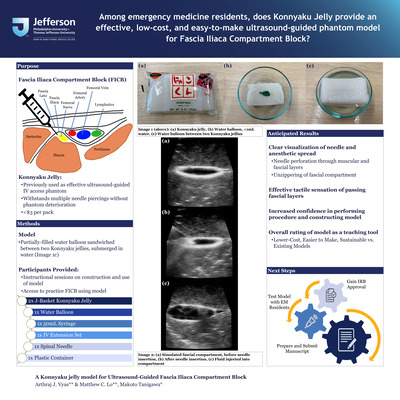
A Konnyaku Jelly Model for Ultrasound-Guided Fascia Iliaca Compartment Block
Arthraj J. Vyas; Matthew C. Lo; and Arthur Au, MD
Purpose
Konnyaku Jelly:
•Previously used as effective ultrasound-guided IV access phantom
•Withstands multiple needle piercings without phantom deterioration
•<$3 per pack
-
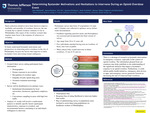
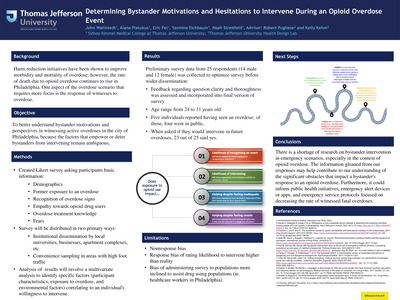
Determining Bystander Motivations and Hesitations to Intervene During an Opioid Overdose Event
John Wahlstedt, Alana Platukus, Eric Fei, Yasmine Eichbaum, Noah Streitfeld, Robert S. Pugliese, and Kelly Kehm
Background
Harm reduction initiatives have been shown to improve morbidity and mortality of overdose; however, the rate of death due to opioid overdose continues to rise in Philadelphia. One aspect of the overdose scenario that requires more focus is the response of witnesses to overdose.
-
Broad Efficacy of a Computationally Designed ACE2 Decoy Against SARS-CoV-2 Omicron Variants and Related Viruses In Vitro and In Vivo
Brandon Havranek, Graeme W. Lindsey, Yusuke Higuchi, Yumi Itoh, Tatsuya Suzuki, Toru Okamoto, Atsushi Hoshino, Erik Procko, and Shahidul M. Islam
Background: The SARS-CoV-2 omicron variant (B.1.1.529) and its sublineages are currently the dominant variants in the United States accounting for 100% of COVID-19 cases. Problem: The S protein receptor-binding domain (RBD), located in the S1 subunit of the S protein, binds the human angiotensin-converting enzyme 2 (hACE2) leading to S1 shedding and proteolytic processing of S2 that is important for membrane fusion and release of viral RNA. Various neutralizing therapeutics including protein minibinders, peptides, monoclonal antibodies, and nanobodies have been developed to block the critical interaction between the RBD and hACE2. However, these therapeutics are often developed against the S protein of wildtype or a specific variant of SARSCoV- 2, making them highly susceptible to mutational escape.1 Solution: A strategy employed by our group includes using sACE2 (soluble dimeric ACE2 that contains both the protease and dimerization domains) with enhanced S RBD affinity to outcompete native ACE2 expressed on host cells, acting as a ‘decoy’ to block the interaction between the RBD and hACE2 (Figure 1). sACE2 has moderate affinity for the S protein (~20 nM)2. Therefore, sACE2 must be engineered (by introducing affinity enhancing mutations) to bind with tighter affinity to outcompete membrane bound ACE2-S interaction and rival the potency of mAbs. These sACE2 derivatives maintain close similarity to the native ACE2 receptor making them extremely resistant to virus escape. Any mutation in the RBD that limits binding to the sACE2 derivative will likely have reduced binding towards native ACE2 receptors potentially making the virus unfit to propagate.
-
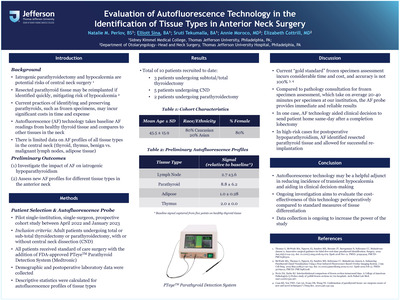
Evaluation of Autofluorescence Technology in the Identification of Tissue Types in Anterior Neck Surgery
Natalie M. Perlov; Elliott Sina; Sruti Tekumalla; Annie Moroco, MD; and Elizabeth Cottrill, MD
Background
- Iatrogenic parathyroidectomy and hypocalcemia are potential risks of central neck surgery1
- Resected parathyroid tissue may be reimplanted if identified quickly, mitigating risk of hypocalcemia2
- Current practices of identifying and preserving parathyroids, such as frozen specimens, may incur significant costs in time and expense
- Autofluorescence (AF) technology takes baseline AF readings from healthy thyroid tissue and compares to other tissues in the neck
- There is limited data on AF profiles of all tissue types in the central neck (thyroid, thymus, benign vs. malignant lymph nodes, adipose tissue)
Preliminary Outcomes
- (1) Investigate the impact of AF on iatrogenic hypoparathyroidism
- (2) Assess new AF profiles for different tissue types in the anterior neck